
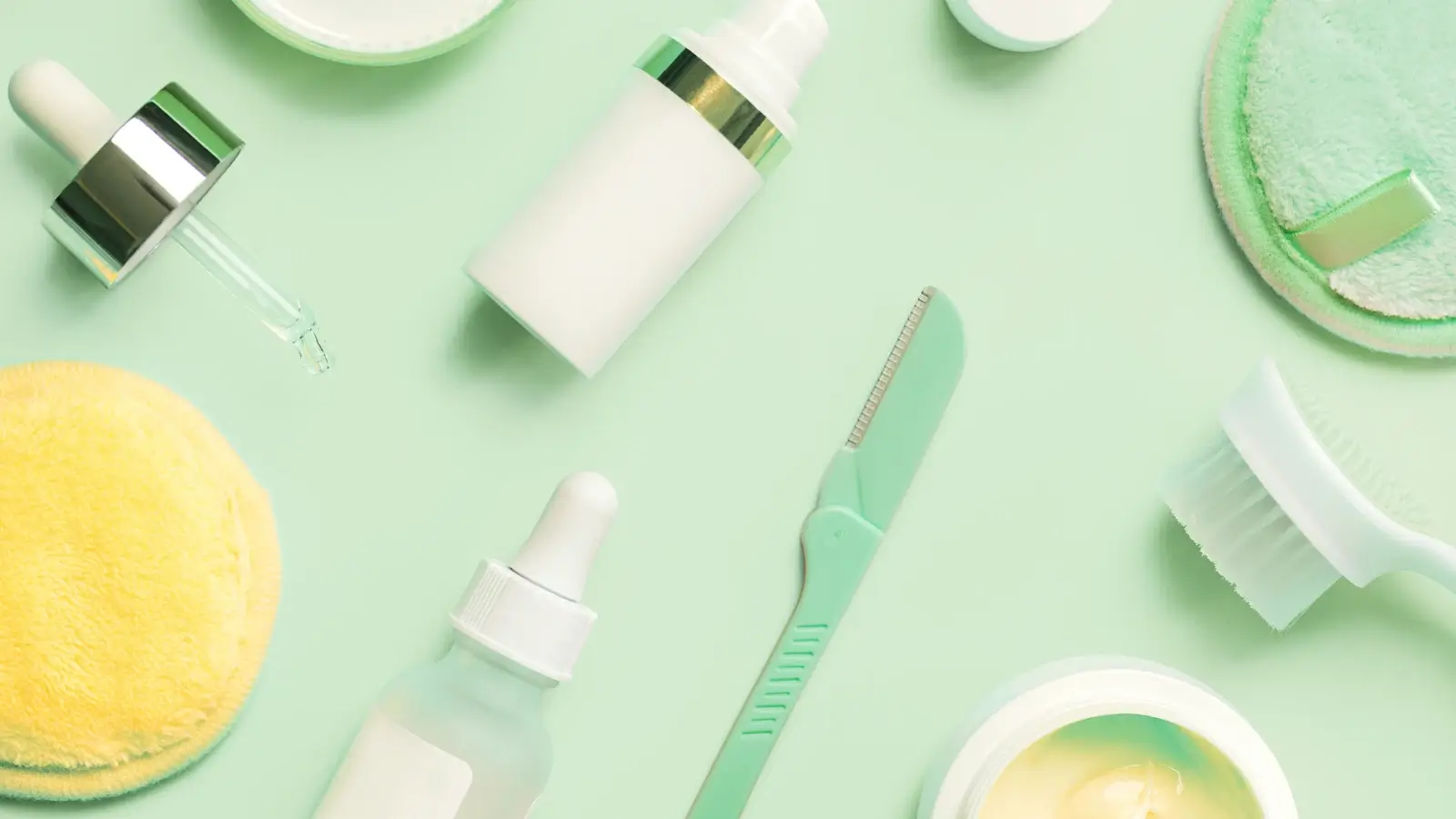
Dermaplaning has become a popular skincare treatment because of its ability to exfoliate and smooth the skin while removing peach fuzz. However, many people have questions about what the treatment involves, its safety, and its effects. Below are the top five most asked questions about dermaplaning, answered in clear and straightforward detail.
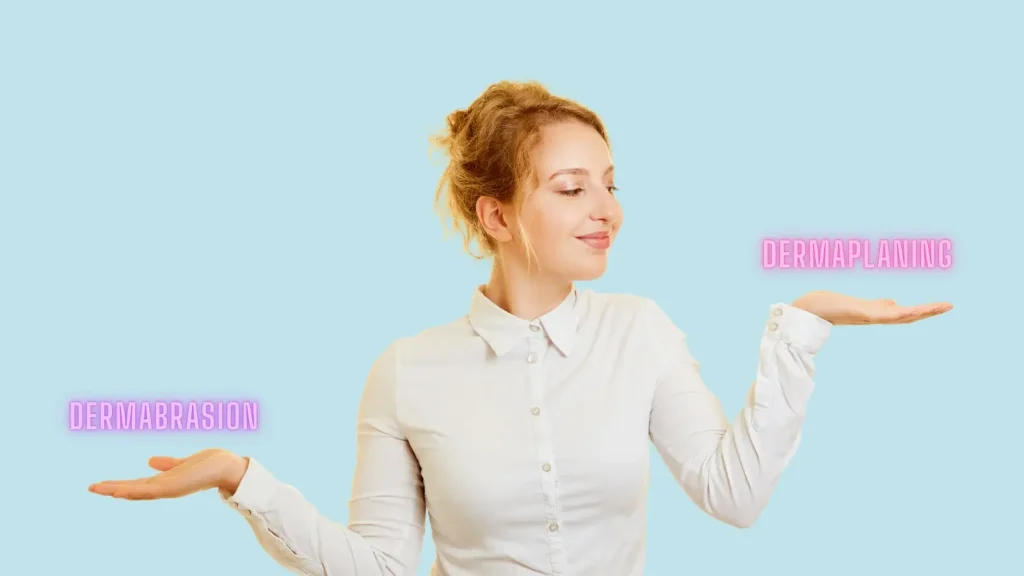
5. Is Dermaplaning the Same as Dermabrasion?
No, dermaplaning and dermabrasion are not the same. Dermabrasion is a medical procedure that uses a rotating instrument to remove deeper layers of skin, often to treat scars or severe sun damage. It is typically performed by a dermatologist or plastic surgeon and requires a longer recovery time.
Dermaplaning, on the other hand, is a non-invasive exfoliation method that uses a sterile surgical blade to gently scrape away dead skin cells and fine hair from the surface of the skin. There is no downtime, and it is much gentler than dermabrasion.
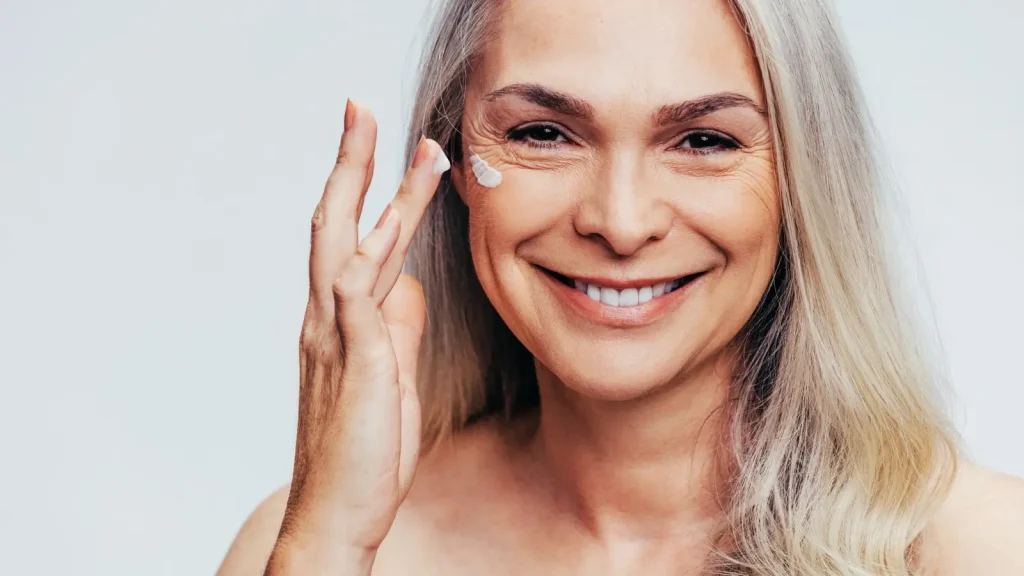
4. Does Dermaplaning Help with Wrinkles?
Dermaplaning does not remove deep wrinkles, but it can improve the appearance of fine lines and create a smoother surface. By exfoliating the top layer of skin, dermaplaning allows skincare products to penetrate more effectively and makes the skin look brighter and more refreshed.
When combined with a consistent skincare routine, dermaplaning can support overall skin health and enhance treatments aimed at reducing wrinkles. It should be seen as a complementary procedure rather than a replacement for medical treatments like fillers or resurfacing lasers.
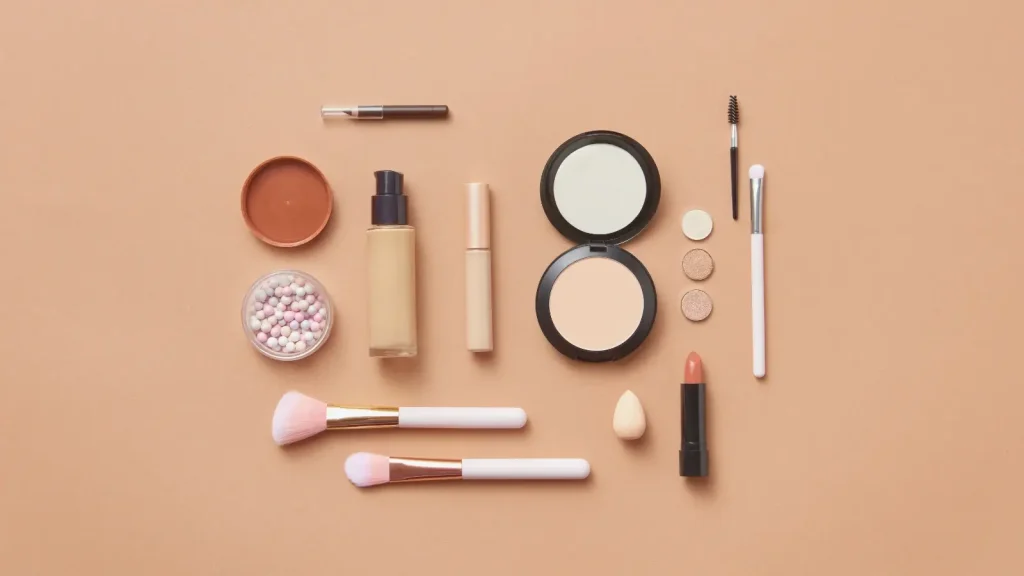
3. Can I Wear Makeup After Dermaplaning?
Yes, you can wear makeup after dermaplaning, but most professionals recommend waiting at least 24 hours. Right after the procedure, your skin is very smooth, and applying makeup too soon may clog pores or cause irritation.
Once the waiting period is over, makeup often applies more evenly because the exfoliated skin creates a smooth base. Many people find that their foundation looks more natural after dermaplaning.
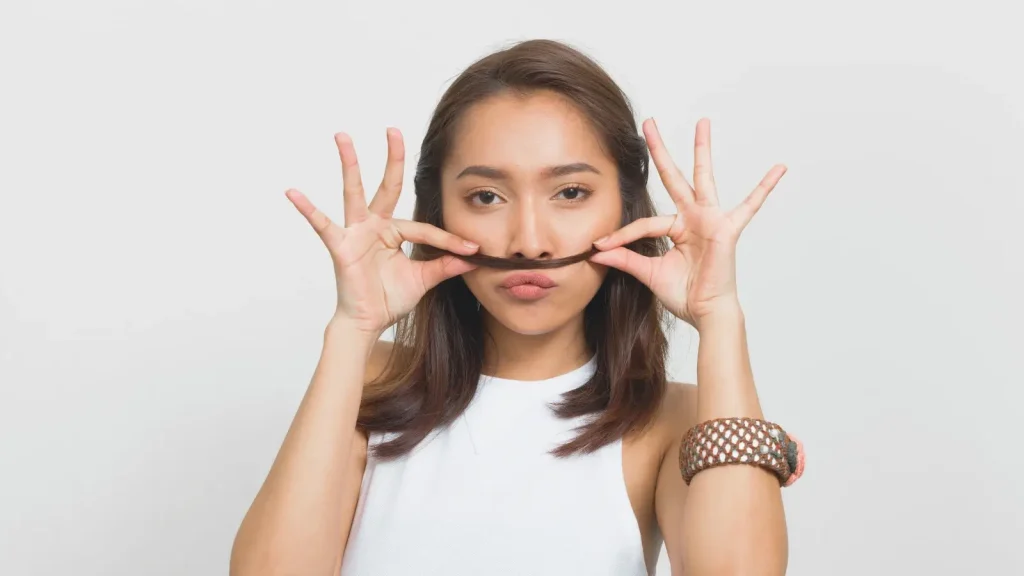
2. Does Dermaplaning Make Hair Darker?
This is one of the most common myths about dermaplaning. The treatment does not change the color, thickness, or growth rate of your hair. Fine vellus hair, commonly called peach fuzz, will grow back at the same rate and texture as before.
Some people also wonder:
- Does dermaplaning cause stubble? No, dermaplaning does not cause stubble. Stubble happens with coarse hair, such as beard hair, but dermaplaning removes fine hair that grows back soft.
- Does dermaplaning make peach fuzz grow back thicker? No, the hair will remain the same texture and thickness. What changes is that after being cut bluntly at the surface, it may feel different to the touch as it grows back, but the structure is unchanged.
1. Is Dermaplaning Safe for My Skin?
For most people, dermaplaning is safe when performed by a licensed professional. It is especially helpful for people with dull skin, uneven texture, or excess peach fuzz.
Is Dermaplaning Good For You?
Dermaplaning can be good for you if:
- You want brighter, smoother skin with immediate results
- You are looking for better absorption of serums and moisturizers
- You wear makeup regularly and want a smoother surface
When performed properly, it can be repeated every few weeks as part of a skincare routine.
Is Dermaplaning Bad For You?
Dermaplaning may not be a good choice if you:
- Have active acne or open wounds, as it may irritate the skin further
- Have certain skin conditions such as rosacea, eczema, or psoriasis
- Are using strong acne medications like isotretinoin
In these cases, it is best to consult a dermatologist before trying the procedure.
Does Dermaplaning Cause Acne or Breakouts?
Dermaplaning itself does not cause acne. In fact, by removing dead skin cells, it can help reduce clogged pores. However, if performed on active acne or if proper aftercare is ignored, it may lead to temporary breakouts. Using clean skincare products and avoiding heavy makeup immediately after treatment helps reduce this risk.
Final Thoughts
Dermaplaning is a safe and effective treatment for most people, offering smoother skin and a brighter complexion. It is not the same as dermabrasion, does not make hair darker or thicker, and can complement other skincare practices. As with any cosmetic treatment, the key is to have it done by a trained professional and to follow proper aftercare. Contact us for a free consultation.